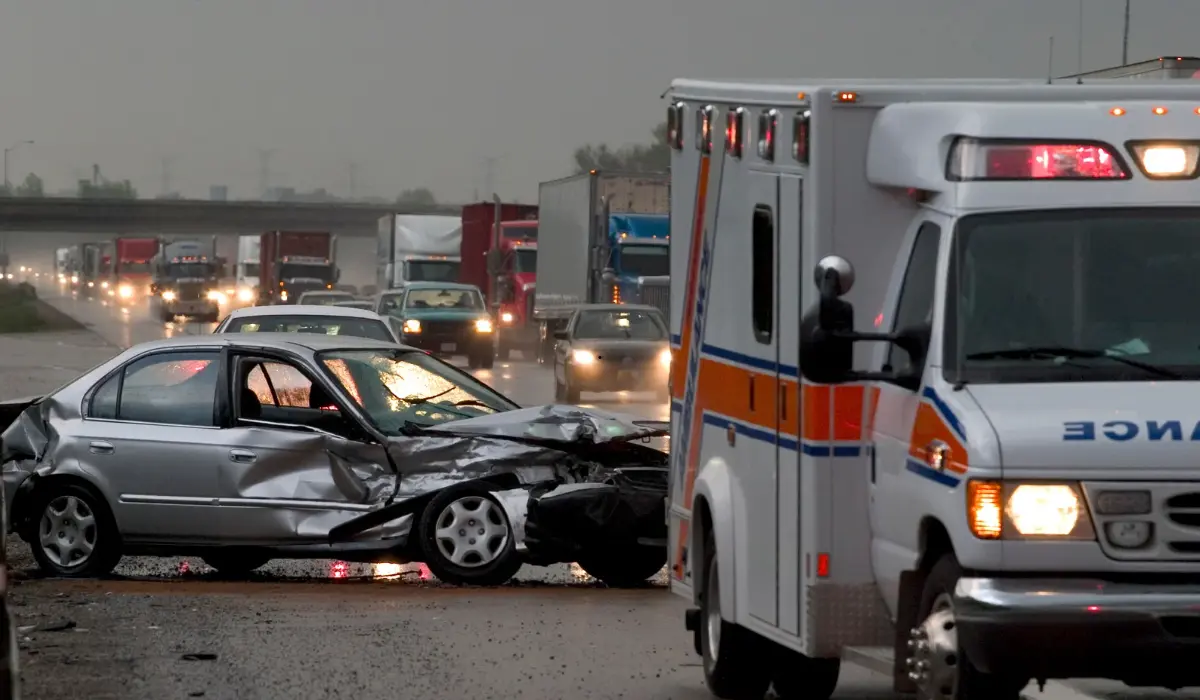
You pull away from the light, a car runs the red, and suddenly your day is a blur of sirens, shaking hands, and questions. Most drivers never read up on what to do until it happens.
That gap in knowledge costs money, time, and sometimes health. Insurance adjusters, other drivers, and even well-meaning bystanders will all push you to act fast. Knowing your rights beforehand lets you slow down and protect yourself.
You Have the Right to Safety and Medical Care
Your first right is also your most important one: getting help. If you or a passenger feels pain, dizziness, or confusion, call emergency services right away. Nobody can pressure you to refuse treatment.
Some injuries hide behind adrenaline. Whiplash, concussions, and internal bruising often show up hours or even days later. A medical visit on the same day creates a record that links your injuries to the crash.
If it’s safe to drive, move your vehicle out of the flow of traffic and switch on your hazard lights. Leaving the scene when someone is hurt can bring criminal charges, so stay put until help arrives.
You Have the Right to a Police Report
“Most states require a police report when a crash causes injury, death, or damage above a set dollar amount,” explain the car accident lawyers at https://www.chopinlawfirm.com.
Even for a small fender bender, you can ask officers to document what happened. An official report acts as a neutral account. It usually lists the drivers, vehicles, road conditions, witness names, and sometimes the officer’s opinion on fault. Insurers lean on it heavily when judging a claim.
Check the report once you receive it. If you spot a wrong detail, such as the direction you were traveling, contact the department and ask how to request a correction.
What to Document at the Scene
The most useful tool you have for gathering evidence is already in your pocket: your phone. Photos and notes taken in the first few minutes can settle arguments that otherwise drag on for months.
Here is a quick checklist to run through if you are able:
- Photograph all vehicle damage from several angles
- Capture skid marks, broken glass, and debris on the road
- Record street signs, traffic lights, and weather conditions
- Collect names and phone numbers from every witness
- Note the other driver’s license, plate, and insurance details
- Write down the time, location, and a short summary
Keeping calm and taking plenty of photos will do much more for you than an argument at the side of the road.
What You Should Say, and What You Should Not
You must exchange the basics: your name, how to reach you, and your insurance details.
Avoid phrases like “I’m sorry” or “I didn’t see you.” Even polite words can be twisted into an admission of fault later. Keep to the facts, and give brief, neutral answers.
When the police ask questions, answer honestly about what you saw. If you are unsure about a detail, say so. Guessing at speeds or distances can hurt your case more than silence.
Your Rights When Dealing With Insurance Companies
Report the crash to your own insurer quickly, since many policies set a deadline. Be honest, but keep your description simple and factual.
It’s different with the other driver’s insurer. Their adjuster represents the insurance company’s interests, not yours. In most cases you don’t have to give them a recorded statement, and you can say no until you’ve spoken with an advisor.
Early settlement offers often look tempting, especially when bills are piling up. Once you accept one, you usually cannot ask for more. Hold off until you have a clear picture of your injuries and the full cost of repairs.
Your Right to Compensation
If another driver caused the crash, you may be entitled to payment for several types of loss. These can include medical bills, car repairs, lost wages, and pain and suffering.
Keep every receipt, invoice, and doctor’s note in one folder. A missed paycheck matters too, so ask your employer for a letter showing the hours you could not work.
Some regions use fault rules where compensation shrinks if you share the blame. Others follow no-fault systems where your own insurer pays first. Learning which model applies to you will shape your next steps.
When to Hire a Lawyer
Not every crash needs an attorney. A minor scrape with no injuries can often be handled through insurance alone.
Legal help becomes wise when injuries are serious, fault is disputed, or the insurer offers far less than your losses. It also helps if the other driver was uninsured or fled the scene.
Plenty of personal injury attorneys will do a first consultation for free and take cases on a contingency basis, which means they’re paid only if your case succeeds. That setup lets drivers with tight budgets still get skilled representation.
Watch the Clock on Deadlines
Every jurisdiction has a deadline for filing a claim or starting a lawsuit. These are called statutes of limitations, and missing one can erase your right to compensation entirely.
Depending on where you live, the window might be one year or several. Insurance policies also have their own reporting deadlines, which are often much shorter than court deadlines.
Mark these dates on your calendar the moment the crash happens. If you are unsure, a short call to a local attorney or your insurer can clear things up.
Also Read: Best DocuSign Alternatives
Final Thoughts
A road accident is stressful enough without wondering where you stand legally. The good news is that a few smart habits make a big difference: get medical care, document everything, speak carefully, and protect your deadlines.
Handling an accident well doesn’t take legal expertise. You need to know your rights and stay calm enough to use them. Save this guide, share it with a friend who drives, and keep a checklist in your glove box. If the worst happens, you will be glad you did.

Harry O’Neill writes about all things tech, SaaS, and marketing at Solution Suggest. He’s known for turning complex ideas into clear, actionable insights. With experience working alongside top-tier companies worldwide, he helps brands connect with their audiences through content that drives real results.